Gosford Cubbyhouse: case study

How children, educators and the planet are benefiting from a growing culture of sustainability
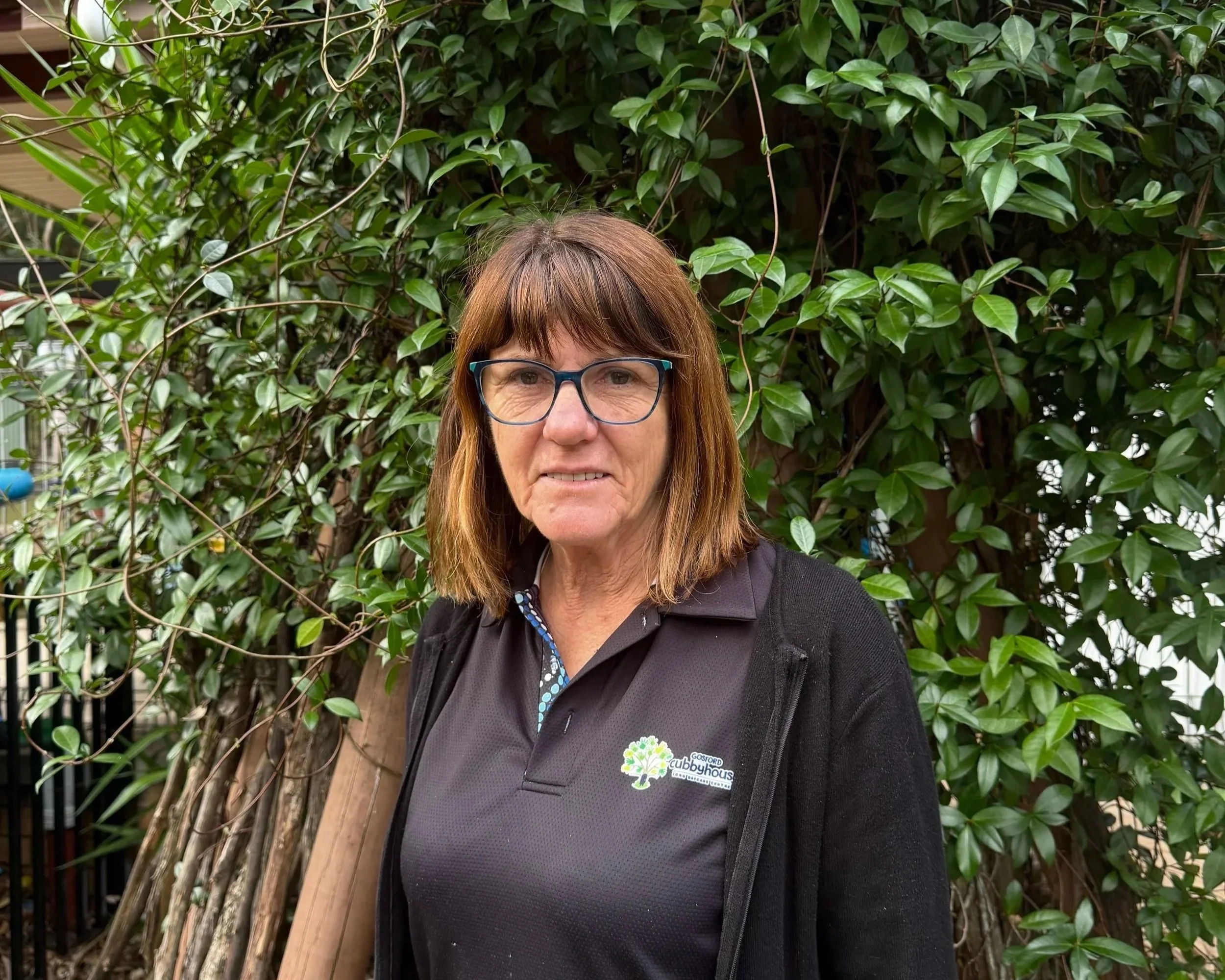
Turbulent times bring a gift that most leaders miss: to rebuild differently. Paula Colvin, the new director of Gosford Cubbyhouse, didn't miss this.
Gosford Cubbyhouse has been part of its community since 2009 — a not-for-profit community centre with a parent board, 42 children aged 0 to 5, and a homely and lush setting.
When Paula arrived as the new director in early 2025, she inherited a team that had been through a challenging period, with a number who had left. Paula saw it as a chance to put sustainability at the heart of the new chapter and build a culture that would be resilient enough to outlast any one person's enthusiasm.
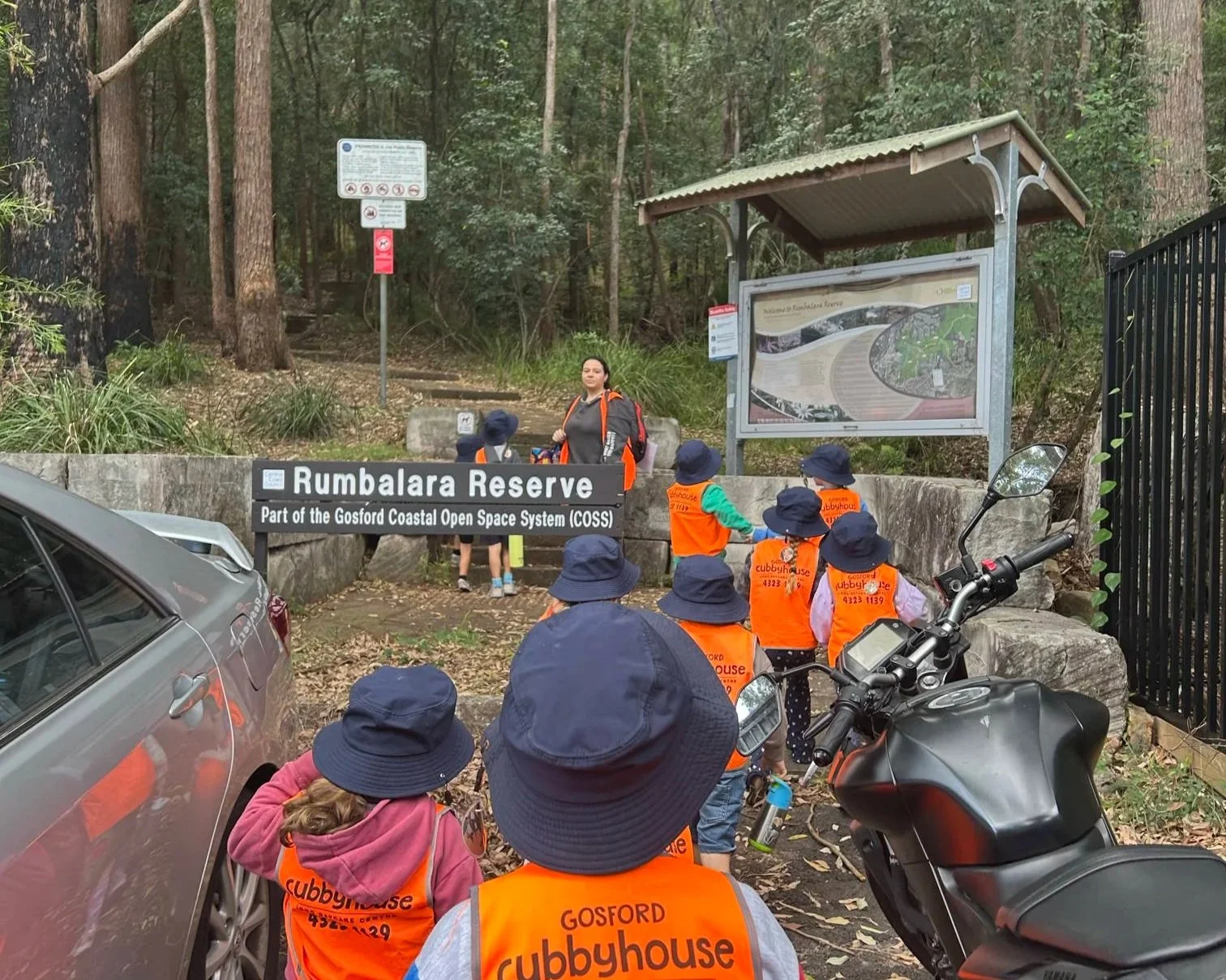
New director puts sustainability at the heart of the next chapter
When we started working with Gosford Cubbyhouse in April 2025, the foundations were already there: a sustainability officer, a garden, worm farm, regular bush walks, play equipment built from reclaimed timber, and regular reuse and repurposing — plus, a sustainability grant had been won the year before.
The question then was how to use that grant to drive impact for years to come while leveraging the existing assets of Gosford Cubbyhouse: the strengths of educators, unique setting adjacent to a beautiful nature reserve and a culture of doing more with less.
Getting educators to know how they can uniquely contribute to sustainability
Like many centres, the team at Gosford Cubbyhouse had been equating sustainability mainly with gardening, composting, recycling and nature play.
Our two hour Masterclass helped educators reframe what education for sustainability looks like in early childhood education, and demonstrated that everyone had something to contribute regardless of their strengths and interests.
From there, I worked closely with the leadership team to develop a Sustainability Action Plan — starting with version one and evolving it continuously into a mission statement, set of intentions, processes and practices that work specifically for Gosford Cubbyhouse.
Following the Masterclass and Sustainability Action Plan Accelerator, we re-assessed and proceeded with monthly on-the-floor coaching sessions and targeted deep-dive training sessions for the room leaders and sustainability officer.
On-the-floor coaching is where the real shift from theory to practice comes alive — talking through what children are currently interested in, what intentions are guiding the room, what's been tried, what we learned and what we can do next.
Within 3 months those coaching conversations shifted from me asking questions and offering many suggestions, to educators arriving with stories to tell, plans already forming, and specific questions of their own.
From good intentions to natural, everyday practice
The shift in confidence among the educators who have embraced this work is remarkable. And so is their newfound ability to articulate and hold intentions that support education for sustainability and to seize the opportunities that arise naturally from children's play.
Hunter's story, room leader in the Joeys room — with children aged 0 to 3 — captures this well. In the early coaching sessions, he started with ‘I want to do this - but I am not sure what to do with this age group and I have so many other things I need to prioritise’.
But when we looked together at everything already happening in his room — the water from water play being saved for the garden, the reuse of previous years artworks, the repurposing of cardboard boxes to make fun toys, the little workbench in the playground introducing children to repair and risk-taking — and brainstormed small, easy ways to build on that foundation and the children’s interests, things started to shift.
With greater pride in the team’s work and the perception of a smaller step to meeting the new expectations around sustainability, confidence grew quickly. And just like that, Hunter was finding many more opportunities to weave sustainability into day-to-day play.
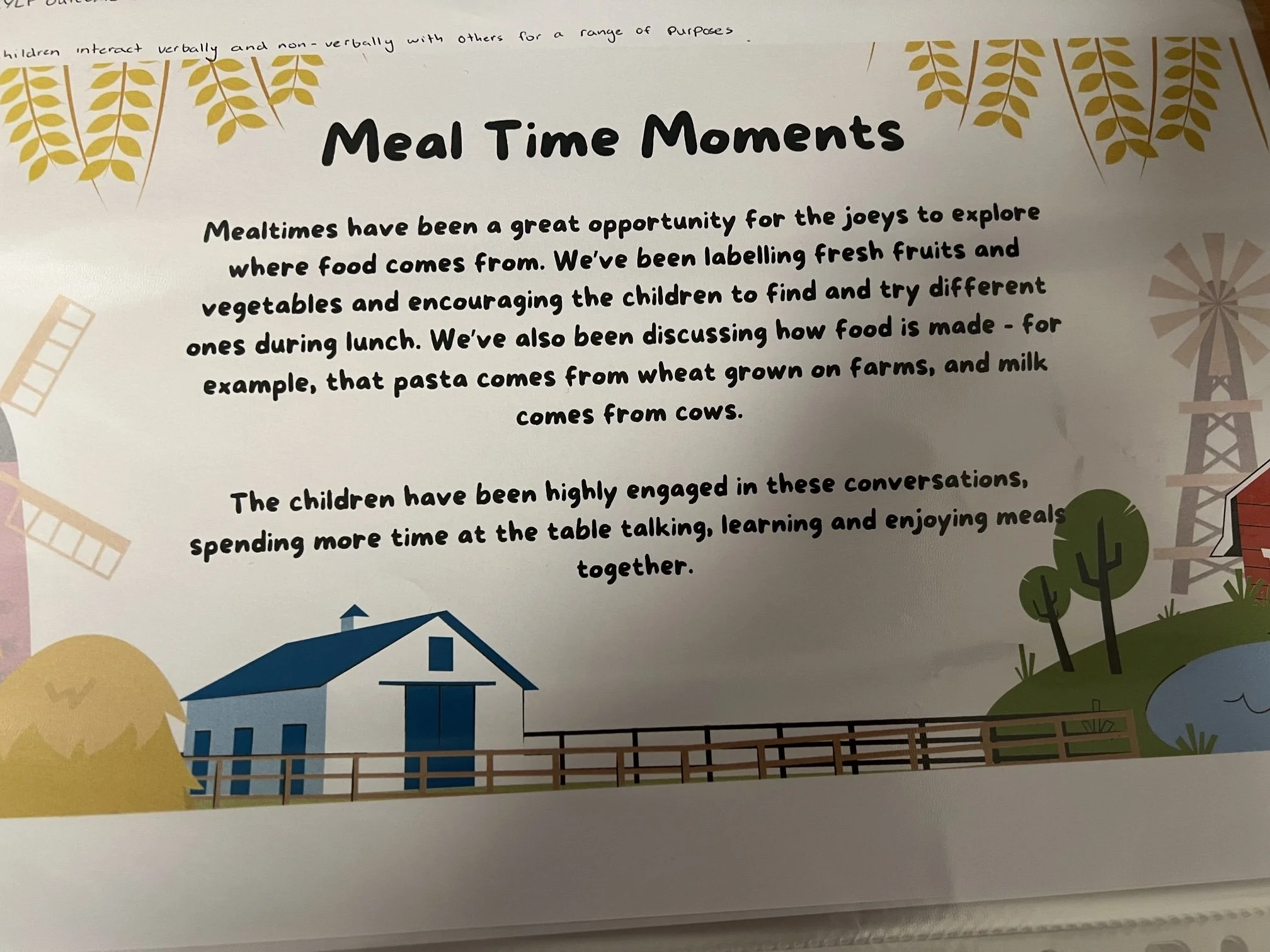
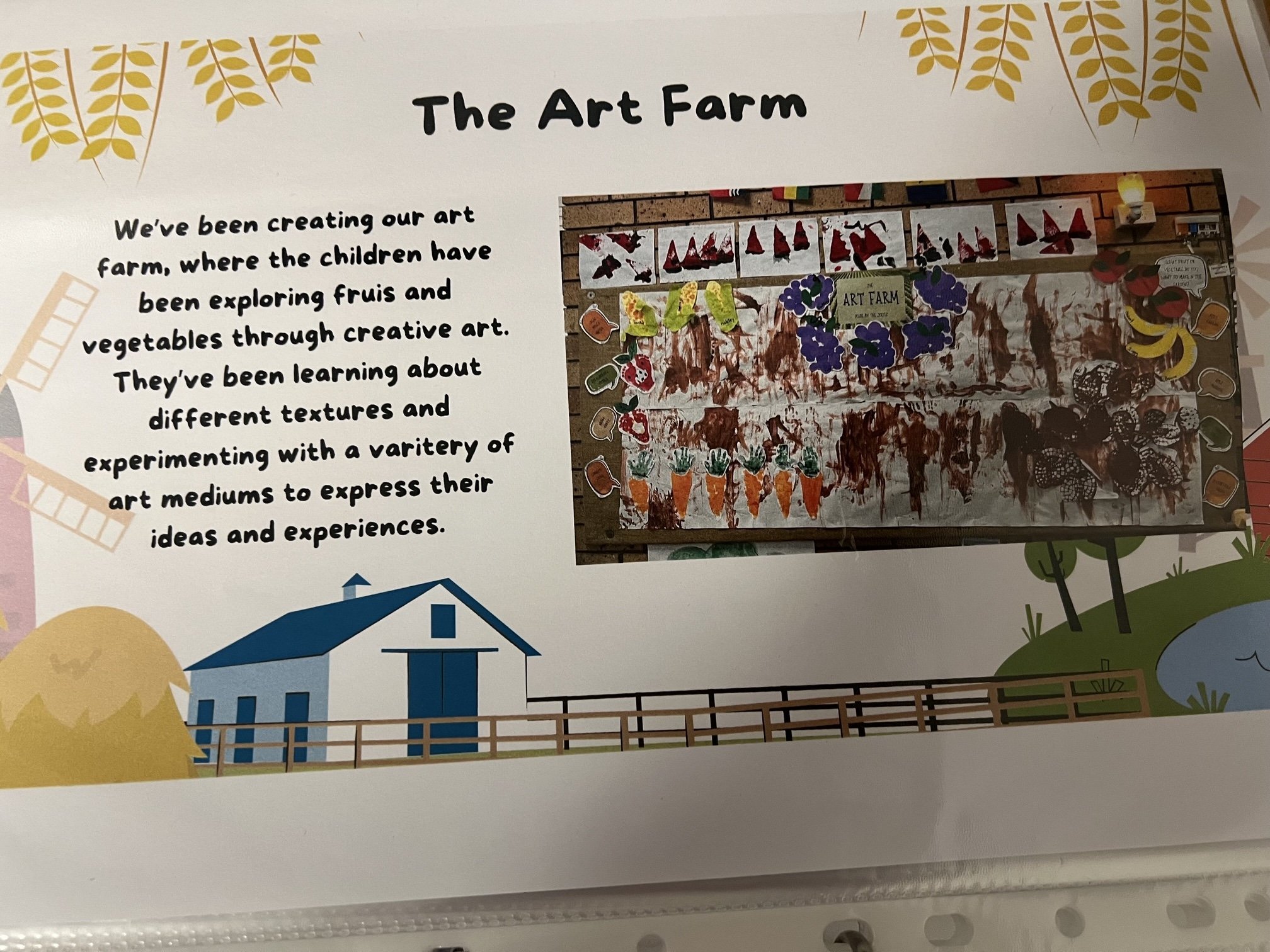
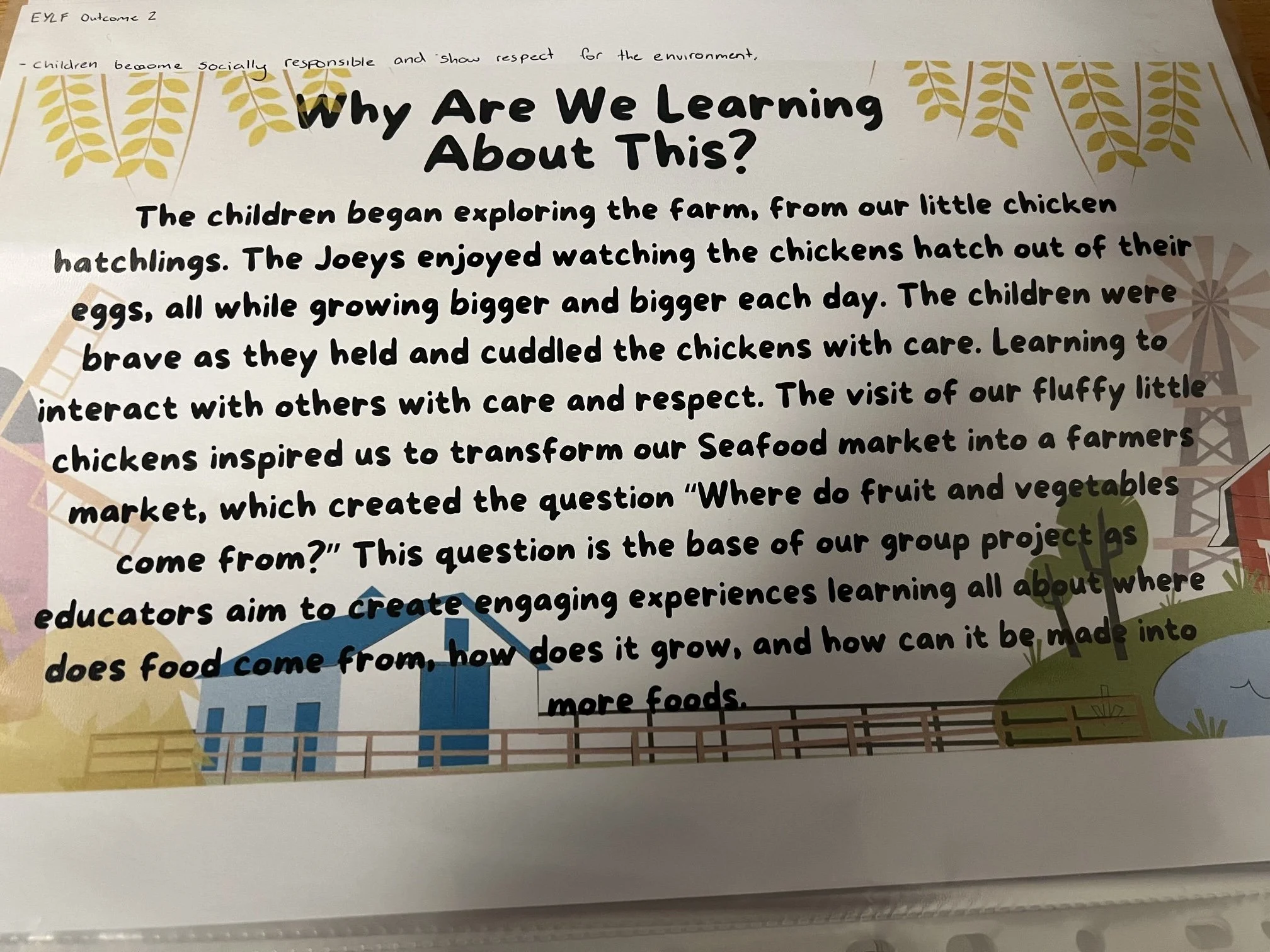
When the children grew a strong interest in farm animals, Hunter and the team helped the little ones explore where food comes from, and our reciprocal relationship with those animals and the land. Educators leveraged a farmers market play corner, a farm small world play, hatching chickens, art time and meal times to support children in their inquiry.
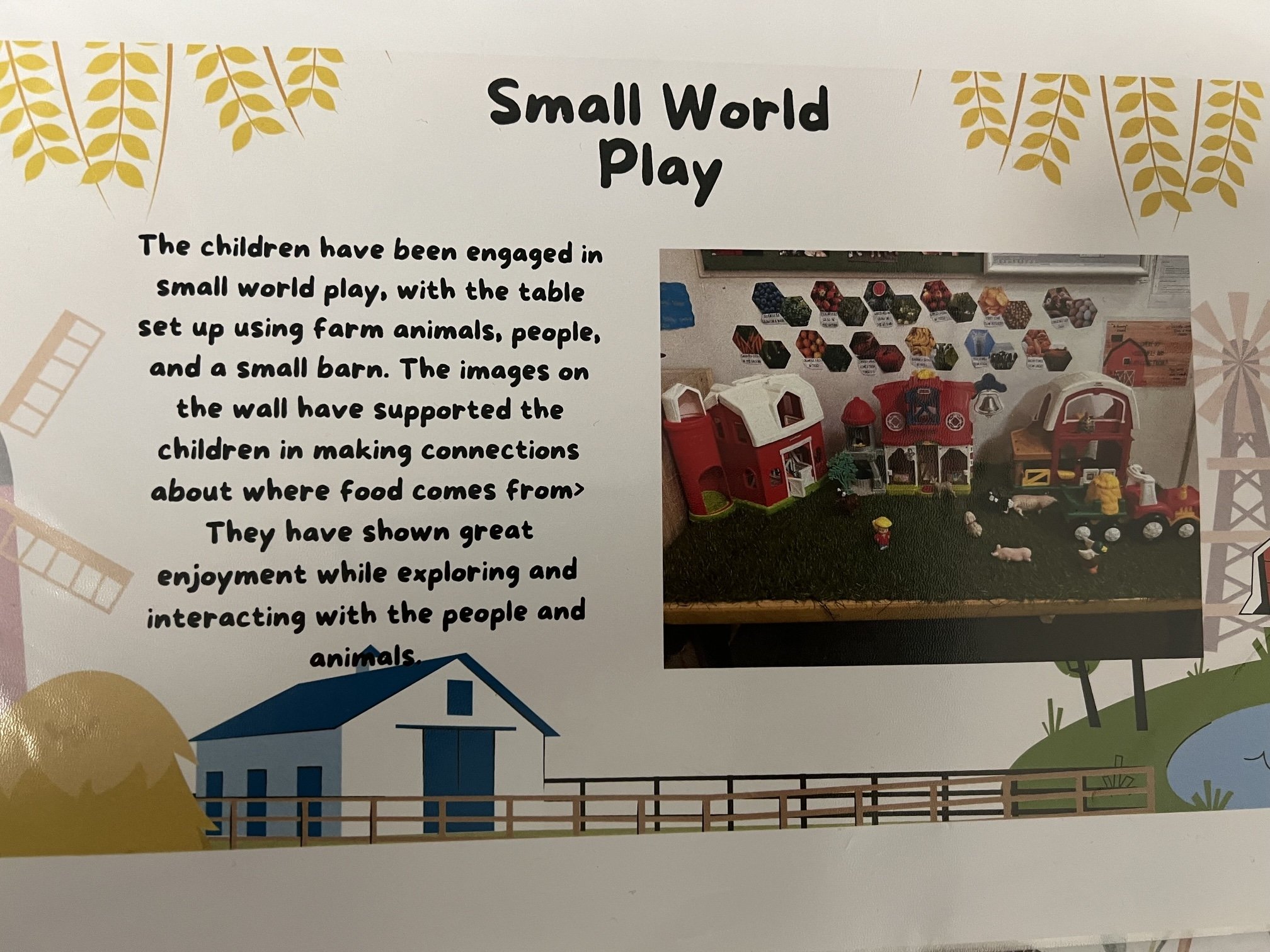
Turning everyday play into learning for a sustainable future
As Daniela, educational leader at Gosford Cubbyhouse, describes it, one of the most significant changes has been ‘an increased focus on hands-on, authentic learning experiences that allow children to actively engage with and explore the world around them. Rather than sustainability being something that educators teach to children, we have worked towards creating opportunities for children to become leaders in their own learning, following their curiosities, asking questions, and developing a genuine connection with nature and their environment.’
This is exactly what it looked like in practice. One day, the children noticed a bush in the yard covered in purple berries. Following their lead, Daniela encouraged them to slow down and observe closely. They discovered that of the three birds regularly visiting the playground — kookaburras, king parrots, and bush turkeys — only the bush turkey was eating the berries.
Together they researched why, discovering the berries were tart but non-toxic. Curiosity led to the children wanting to lead an experiment: Daniela helped them lay out bird seeds, fruit, and grubs dug from the garden on a tray. Practicing their noticing skills, the children noted that bush turkey had first pick, then the kookaburras, then the king parrots — a clear hierarchy. Then the children noticed the bush turkey starting to dig in the garden beds and hypothesised they had seen them digging for grubs there. The inquiry continued for days, the children then making an observation that the tomato plants were recovering once the grubs were gone.
Daniela didn't plan any of this. She held clear intentions - including helping children be in tune with their environment, notice interconnectedness and reciprocity, and think critically — and then supported the children’s interests. Not expertise in sustainability, but curiosity and co-creation. Not careful pre-planning, but the confidence to slow down and seize the opportunity as it arose.
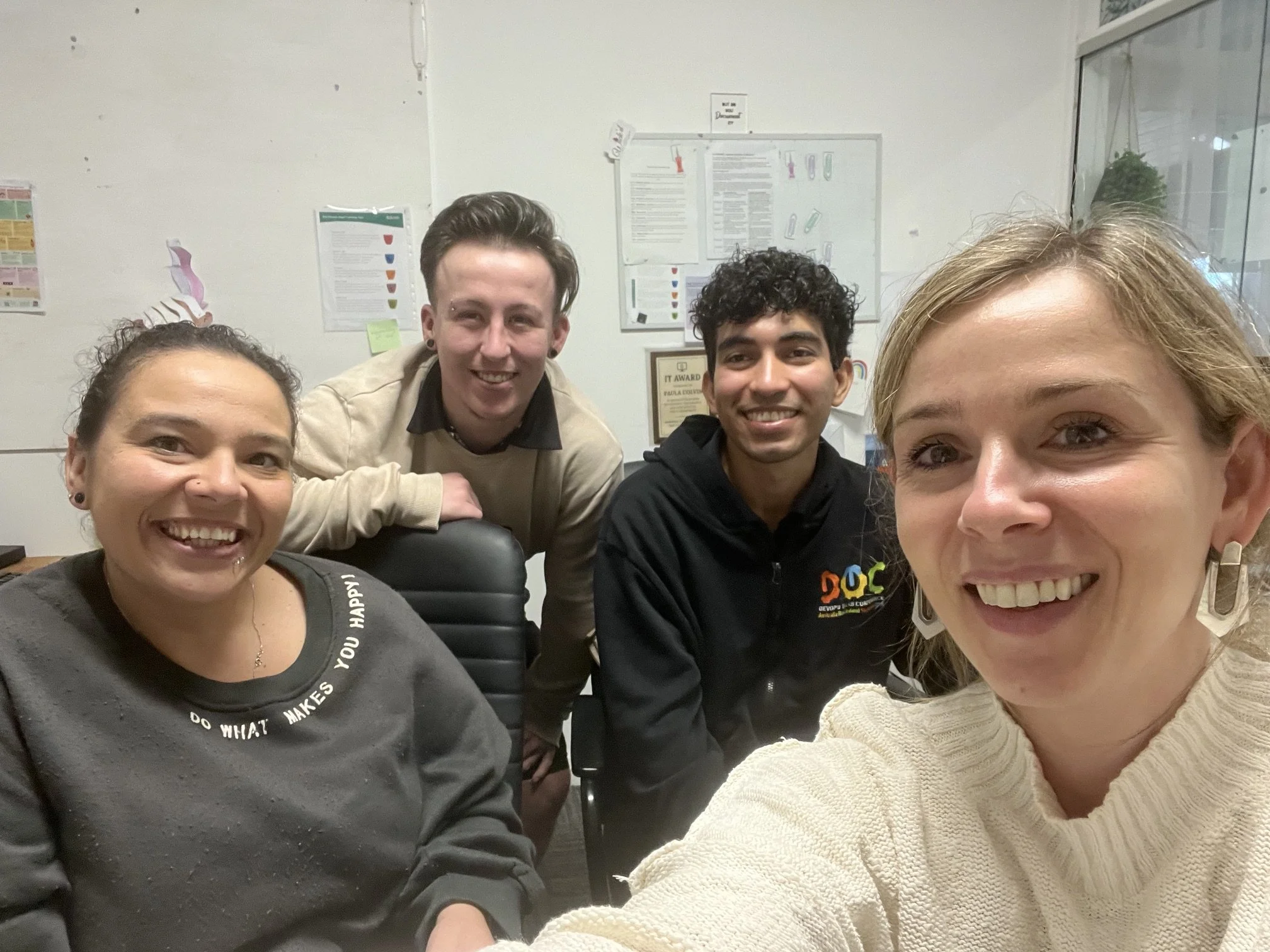
A culture of sustainability powered by pride and joy
There is still work ahead, with new educators to onboard and colleagues still finding their footing. Meaningful and durable change takes time and cultures are always evolving.
But something has unmistakably shifted, with educators who once felt uncertain now arriving at coaching sessions brimming with stories.
Educators who once saw sustainability as something separate now find it woven into the fabric of their days. Educators who once thought of sustainability as yet one more thing to do, will now tell you a holistic approach to education for sustainability makes their days easier.
Daniela, educational leader at Gosford Cubbyhouse, sums it up: ‘looking back over the past year, I am incredibly grateful for the knowledge, inspiration, and practical guidance that Endless Play Studio has provided. The impact is visible not only in our sustainability practices but also in the confidence of our educators, the engagement of our children, and the shared commitment we have developed towards creating a more sustainable future together.’