You have more power than you think
Our world is upside down.
It’s easy to feel helpless when witnessing the horror that happened at Bondi Beach last week, but we all have the power to drive the change we want to see in the world.
I have personal experience with terrorist attacks. My parents were caught in the midst of the 2008 Mumbai bombings and luckily made it out alive, and my sister later witnessed a deadly terror attack from her apartment in Strasbourg, France. Whilst I am still very much processing what happened at Bondi (my brain cleverly activated denial mode), my heart is with everyone affected: with both the Jewish and the Muslim community, with people whose lives will never be the same because of this senseless tragedy, and with young children discovering such atrocities could happen in their backyards too.
Even after my parents’ ordeal in Mumbai, I don’t remember ever being mad at the perpetrators because I’ve long looked at these horrific events as systemic failures. These events have been decades and even centuries in the making and addressing them requires us to consider the whole picture. Racism, wars, poverty, climate change, health crises, hunger, pollution, etc are all tightly interconnected issues and cannot be addressed individually.
Now for the good news, we have the power to influence systemic change and it doesn’t have to be arduous. It’s all about working on things that actually make a difference.
Early childhood education is key to driving systemic change. As early childhood educators, we shape how children see and understand the world, how they view themselves and their role within it, and how they understand and harness their own power.
Working in alignment with the EYLF, we are ideally placed to support children in:
Valuing diversity;
Helping them see, understand and respect other people’s perspectives;
Growing compassion for all beings;
Developing critical thinking;
Understanding problems in their full complexity before jumping to solutions;
Nurturing a sense of deep connection with other human beings and the more-than-human world;
Communicating in calm and compelling ways; and
Working together for greater outcomes for all.
But I also want to acknowledge that beyond the terror of the last few days, it’s been a challenging year in early childhood education and many are feeling the weight of many systemic dysfunctions.
As we enter this holiday season and many of us take annual leave, the best thing we can do is be very intentional about using that time to do things that replenish, re-energise and regenerate us.
Here are a few things we know support the regeneration of self, community and the planet:
Time with loved ones;
Time in nature;
Participating in neighbourhood and community events;
Helping the less fortunate;
Gardening;
Slowing everything down; and
Embracing awe and wonder, and actively noticing the good in the world.
I’ll be heading to France with my husband and sons, to the property where I grew up to spend Christmas with my parents and extended family. Connecting with family and with Country is just what I need right now. Beyond my human family, I’ll be talking to the trees I grew up with, feeding the birds, and looking out for deers, foxes and squirrels. I’ll also go snowboarding because few things make me feel as good as spending days exercising in nature.
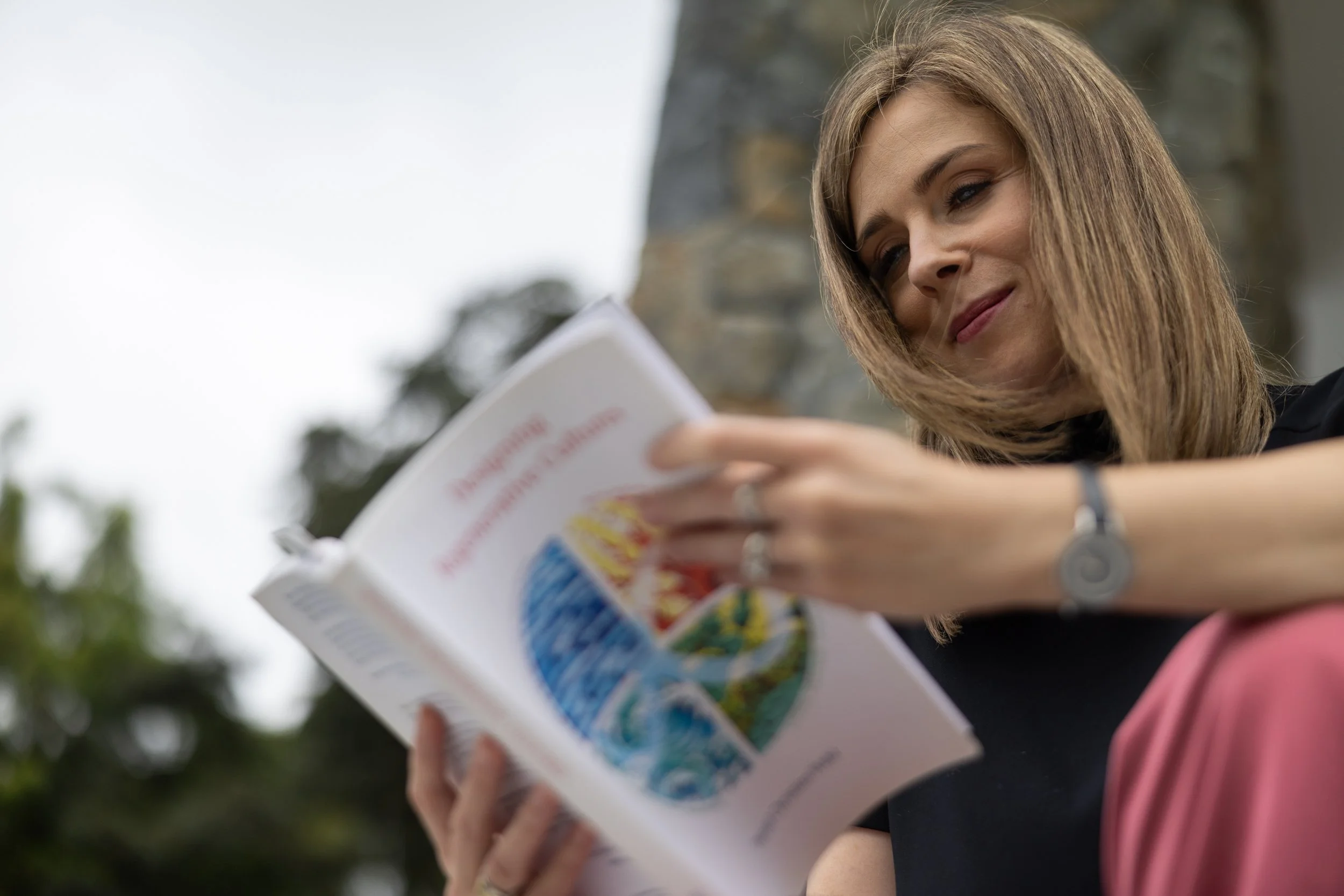
If you are one who finds learning energising or are really eager to understand how we can influence global systems via early childhood education, may I be cheeky and suggest adding ‘A changemaker’s guidebook to a regenerative classroom’ to your holiday reading list? I guarantee you that it is full of good news!